2nd October 2025
MEPC 83 Q&A with Eirik Nyhus, DNV Director Environment
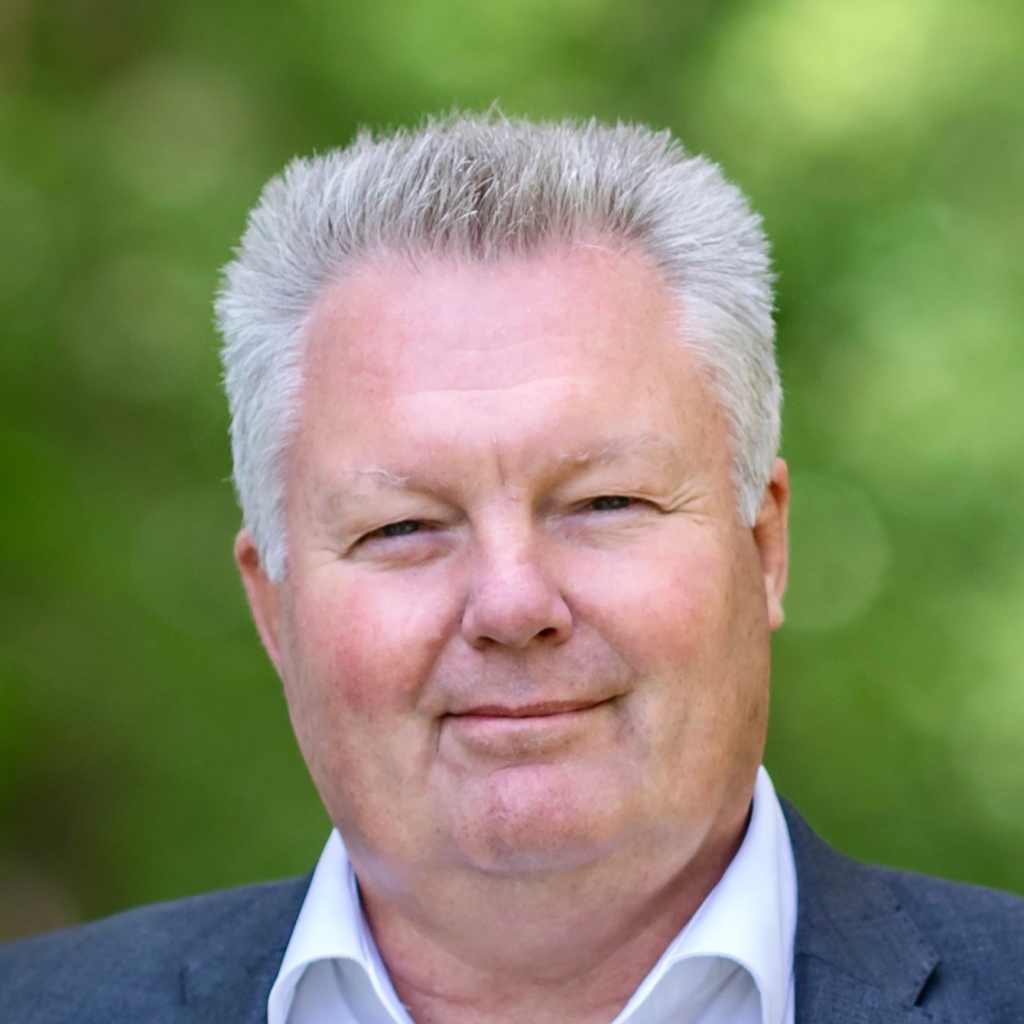
At MEPC 83, the IMO and its delegates reached an unprecedented agreement for reducing the global shipping industry’s GHG emissions. With many details still needing to be decided this month at the second extraordinary session, we consulted with SEA-LNG member DNV’s Director of Environment, Eirik Nyhus, to gain his insights into the latest regulatory announcements from MEPC 83 and its implications for the shipping industry.
What did MEPC 83 agree?
At the Marine Environment Protection Committee (MEPC) 83, the International Maritime Organization (IMO) has achieved a significant milestone – developing a regulation that will help to deliver on the revised Greenhouse Gas Strategy adopted in 2023 and its end-goal of net-zero emissions close to 2050. This regulation is the first in the world to combine mandatory emissions limits and GHG pricing across an entire industry.
Under the regulations, the global shipping sector will need to reduce, over time, its annual greenhouse gas fuel intensity (GFI) – that is, the amount of GHGs emitted for each unit of energy used. Ships emitting above GFI thresholds will have to acquire remedial units to balance their deficit emissions, while those using zero or near-zero GHG technologies will be eligible for financial rewards. These rewards will come from the IMO Net-Zero Fund, which will be established to collect pricing contributions from emissions.
The IMO has a two-step process whereby any approved regulation must also be adopted, and this adoption is scheduled for October this year. The regulations apply to all ships with a gross tonnage of more than 5,000, except for ships trading solely domestically and platforms, including FPSOs, FSUs, drilling rigs, and semi-submersible vessels.
What are the key mechanisms?
A crucial mechanism to enable these regulations to meet the goal is the GFI. This measures well-to-wake greenhouse gas emissions per unit of energy used on board a ship.
Two tiers of requirements are set based on the annual attained GFI, with one tier higher than the other. A base target and a more stringent direct compliance target. Each ship is required to meet both targets, and both targets become increasingly stringent towards 2050.
For a GFI below the direct compliance target, a ship is eligible to receive Surplus Units (SUs), which can be transferred to other ships with a compliance deficit, effectively functioning as a pooling mechanism. Alternatively, shipowners can bank these for use within the two calendar years following the year of issuance.
For a GFI between the base and direct compliance targets, a ship generates a Tier One compliance deficit, which must be offset by purchasing Remedial Units (RUs) at $ 100 per tonne of CO2 equivalent from the IMO Net-Zero Fund. For a GFI higher than the base target, a ship generates a Tier Two compliance deficit, which must be compensated either by buying Tier Two remedial units at $ 380 per tonne of CO2 equivalent from the IMO Net-Zero Fund, or by acquiring SUs in the private market.
The revenue from the sale of RUs will be allocated to the IMO Net-Zero Fund, which the IMO will manage. We estimate this to raise in the range of 10 to 15 billion USD annually.
It is important to note that the GFI is still a work in progress, particularly in terms of developing guidelines for calculating the GFI, including how to account for wind and solar propulsion, which could significantly impact how we calculate the GFI. We expect these guidelines to be finalised in 2026 or 2027.
How can shipping comply with regulations?
There will be two levels of compliance with GHG Fuel Intensity targets: a Base Target and a Direct Compliance Target at which ships would be eligible to earn SUs. A ship can balance its Tier Two compliance deficit with SUs from other ships, or it can buy RUs at 380 USD per tonne of CO2 equivalent.
MEPC has designed the Net-Zero Framework so that most ships will be incentivised to avoid buying the high-priced Tier Two RUs. This means that a ship should acquire sufficient volumes of low-emission fuels to reach the base target and then buy the lower-priced Tier One RUs to reach the direct compliance target.
Alternatively, shipowners can buy SUs to cover the Tier Two compliance deficit and then acquire Tier One RUs to cover the Tier One deficit. This design ensures that the regulation drives the decarbonisation of the fleet as a whole, while also generating sufficient revenue for the IMO Net-Zero Fund.
Do the new regulations mean more reporting?
The simple answer? Yes. MEPC will conduct reporting of the GFI by enhancing the current Data Collection System (DCS), with specific deadlines for compliance approaches, reporting, payments and verification. Greenhouse gas emission factors and sustainability aspects should be certified by a recognised Sustainable Fuels Certification Scheme, which the IMO will develop. In a sense, it serves as a standard for certifying other existing standards.
However, for the methane decarbonisation pathway, this increasing reporting could be a benefit in the long term. MEPC 83 also adopted new guidelines for onboard measurement of methane and nitrous oxide from marine engines. These guidelines will allow ships using LNG or LNG dual-fuel systems to apply measured slip factors instead of default ones.
Such a change could benefit the LNG value chain, which can apply the latest and robust analysis into methane slip rather than using default assessments in its efforts to remain compliant with new regulations.
The elephant in the room will be when the EU reports on the possible alignment of the EU ETS and FuelEU Maritime with the Net-Zero Framework, expected in 2026 or 2027. The EU is obliged to review its own regulations in light of IMO developments, and that process has just begun. However, it will take time for the EU to determine its stance on the overlap and whether any adjustments will be made.
What are the implications for the methane decarbonisation pathway?
The IMO decarbonisation trajectory is now clearly set and is more stringent than other key pieces of regulation, such as the FuelEU Maritime. According to our analysis, the sector will require approximately 25 million tonnes of oil equivalent of low-GHG fuels to meet the IMO’s decarbonisation target requirements by 2030, and energy efficiency improvements remain crucial.
Annual revenues are estimated to be $10 to $15 billion per year, a portion of which will be allocated to reward zero and near-zero emission (ZNZ) fuels as part of the IMO net-zero fund. Ensuring a fuel-agnostic and technology-neutral approach to rewarding low-emission ships will be crucial.
Additionally, one area we should focus on is that the default emission factors in the lifecycle analysis guidelines, including those for LNG as a marine fuel, are expected to be finalised in 2026 or 2027. This could impact the compliance runways for LNG, as well as the methane decarbonisation pathway, and we recommend that we are cognisant of what these updates mean for the LNG sector.
To facilitate the scaling of low and zero carbon fuels, such as biofuels and biogases, mass balance as well as book & claim chains of custody should be recognised in regulation. In the case of biomethane, mass balancing allows biomethane producers to sell their fuel into existing natural gas grids and allows fuel customers to purchase this biomethane from the grid via a certificate. This avoids heavy additional investment costs and the need for extra infrastructure, and so not only prevents a paradoxical increase in greenhouse gas emissions but also mitigates the financial burden.
In book & claim, the greenhouse gas emissions of a low-carbon fuel such as biomethane produced by a supplier are ‘booked’ in a central registry, and customers can ‘claim’ them without any connection to the physical biomethane molecule. Book & Claim is analogous to the system of renewable energy certificates used in the electricity sector, whereby the electrons produced by a wind farm aren’t necessarily the same ones powering a green consumer’s light bulb.
Regardless, for anyone investing in alternative fuels, such as LNG, the regulation provides certainty for investment in these fuels. Today, the IMO Net-zero Framework provides a clear basis for maritime decarbonisation and should, in principle, enable all fuel pathways – whether LNG, methanol or ammonia – to compete on a level playing field.
What is your advice?
Our advice to the value chain is to monitor their emissions. There is no doubt that regulatory complexity and overlap will continue to increase, making compliance even more challenging. Knowing and understanding your own emissions data will be business critical. While total fuel and compliance costs will no doubt increase, this will be the key to not only avoiding environmental and reputational damage but also to steering clear of penalization by port state control