29th May 2026
SEA-LNG convenes first meeting of international biogas associations
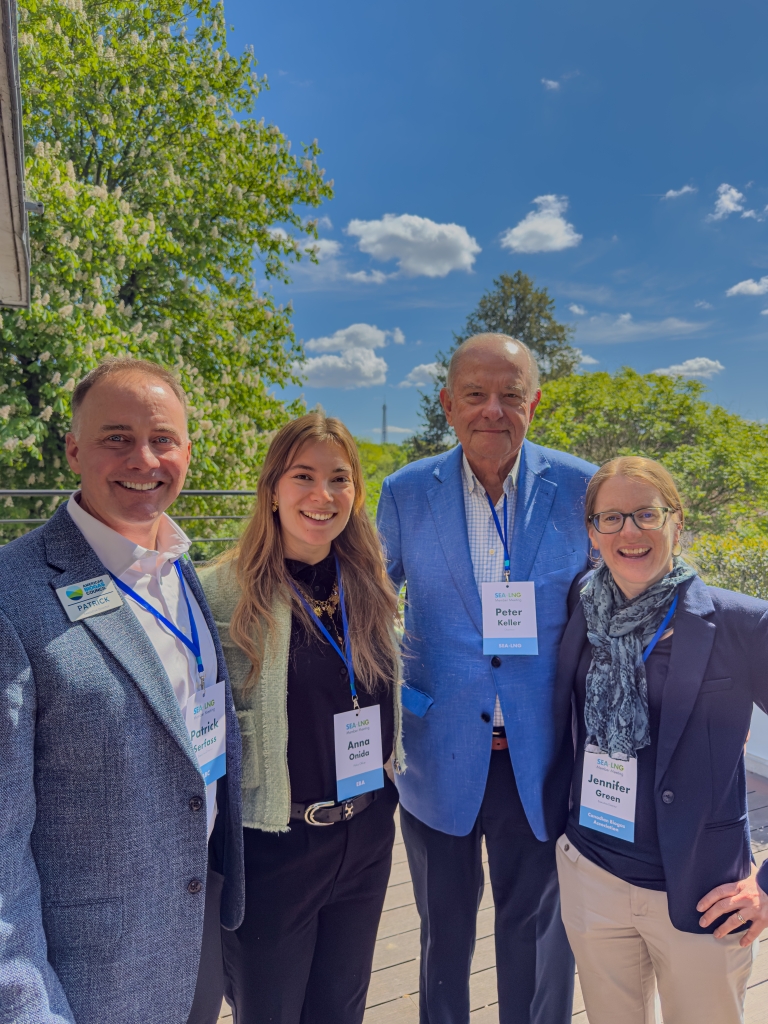
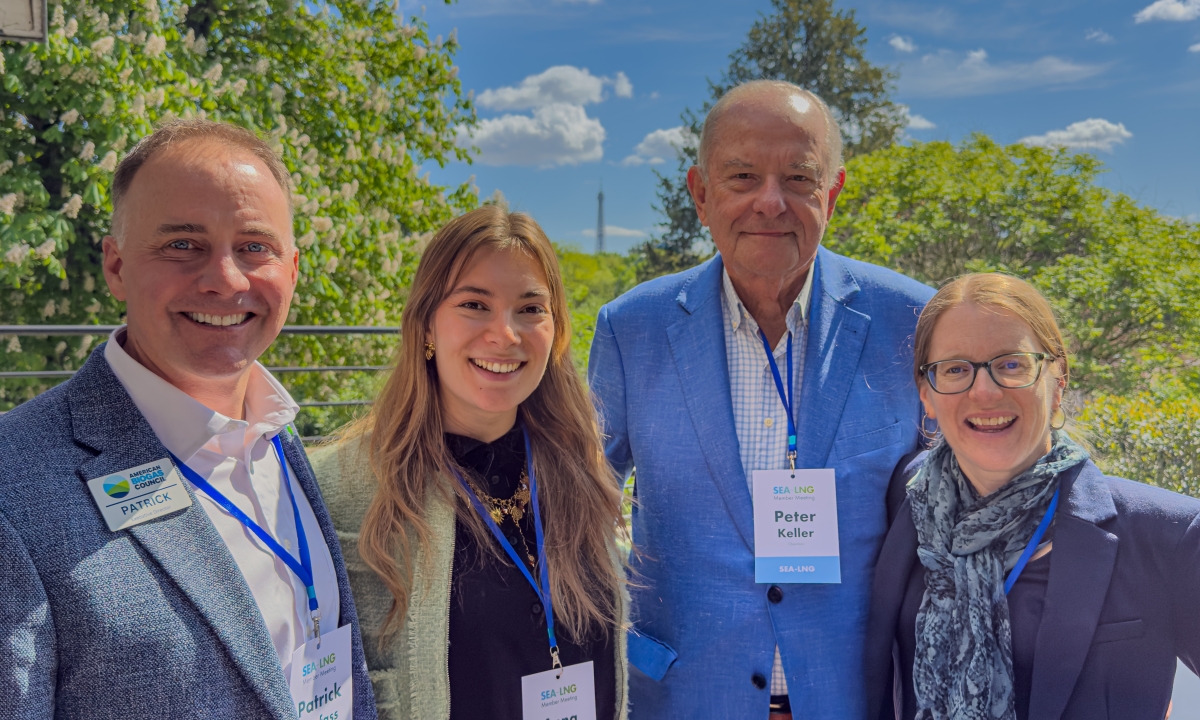
SEA-LNG recently hosted its Members Meeting in Paris and was delighted to welcome the world’s major biogas associations as special guests. The meeting included the World Biogas Association, European Biogas Association, RNG COALITION, the American Biogas Council, and the Canadian Biogas Association, as well as SEA-LNG’s members that are leading in supplying or using liquefied biomethane (LBM/bio-LNG) as marine fuel.
The meeting opened with Peter Keller, Chairman of SEA-LNG, highlighting the journey that LNG, LBM and e-methane, collectively known as the methane decarbonisation pathway, have been on to date. Mr Keller argues that – after 10 years of investment in LNG-fuelled vessels, progress on infrastructure, well-to-wake emissions reductions and safety – there is growing recognition that the methane pathway offers the only practical and realistic solution to shipping’s emission challenges. The pathway is scaling rapidly, becoming a runway to a cleaner future.
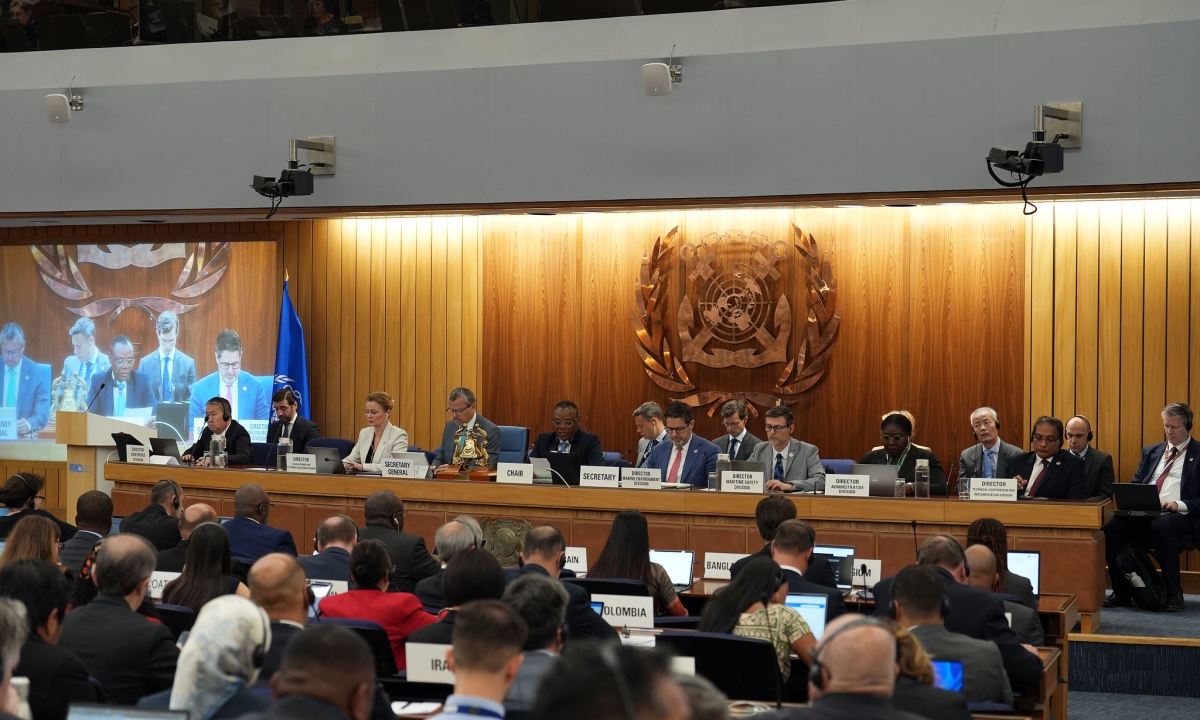
Steve Esau, Chief Operating Officer of SEA-LNG, provided an overview of the complex regulatory environment driving the uptake of LBM in maritime, noting the key role European regulations, such as FuelEU Maritime, are playing. He emphasised the importance of advocating for goal-based and technology-neutral regulations at the International Maritime Organization (IMO) in support of its ongoing efforts to develop a global framework for maritime decarbonisation.
Mark Watts, from SEA-LNG’s European public affairs agency LP Brussels, also shared his insights into EU biomethane policy and ambitions throughout the session. Mark highlighted the need to blend competitiveness with sustainability in today’s EU and noted that a renewed focus on energy security significantly strengthens the rationale for scaling up the use of biomethane.
The associations then discussed opportunities to work together to accelerate the uptake of biomethane as a marine fuel. We asked the participants what they find most interesting and relevant about biogas right now, why it was important to collaborate on biomethane at this time, and what they hope to see as the biomethane market matures. Here’s what they had to say.
Jennifer Green, Executive Director of the Canadian Biogas Association, stated: “The discussions over the two days offered valuable perspectives on maritime decarbonisation – particularly around methane, the growing interest in bio-LNG, and the opportunity to build stronger connections across the value chain. What stood out most was the shared recognition that the opportunity for biomethane in shipping is immediate. It was encouraging to see alignment on the importance of continued collaboration, and a clear interest in keeping this dialogue moving forward.”
Anna Onida, Policy Officer, Transport and Heating, European Biogas Association, commented: “To decarbonise hard-to-abate industries like the maritime sector, the EU must prioritise biomethane as a renewable, homegrown, safe, and locally-sourced solution that is compatible with existing infrastructure and ready for immediate deployment in LNG-fuelled vessels. By scaling domestic production, Europe can leverage this reliable renewable gas to deliver rapid emissions reductions while strengthening energy independence, reducing reliance on imported fossil fuels, and ensuring long-term energy security and affordability.
“To achieve a unified, single biomethane market, we need the right policy signals and market incentives to create long-term offtake agreements between producers and users. The industry needs a unified biomethane trading market with harmonised cross-border certification and trading instruments, as well as sector-specific end-use targets, including for maritime, coupled with market-based instruments to create a demand pull for biomethane.
“The meeting was useful to foster discussions about the biomethane pathways for the maritime sector at a global level, gathering the voices of biogas associations and industries to prioritise green gas molecules as a scalable, cost-effective solution for the shipping industry. It was good to exchange views on ongoing EU and global political frameworks and how to best come together to represent the biogas and biomethane sector in upcoming legislation.”
Phil Vos, Senior Manager, Data & Research, RNG COALITION, said: “Maritime represents a huge decarbonisation challenge and a significant market opportunity for low-emission bio-LNG. This meeting brought RNG COALITION and 4 other major biogas and biomethane trade associations together with representatives from across the maritime industry. That’s just the sort of cross-industry collaboration we need to move biomethane forward as a maritime fuel in the absence of a global regulatory regime.
“The maritime industry had been anticipating a global emissions regulatory regime in the form of the IMO NZF (Net Zero Framework). With the uncertainty now surrounding the NZF, it’s all the more important to work collaboratively to promote the use of bio-LNG and other cleaner maritime fuels.”
Patrick Serfass, Executive Director of the American Biogas Council, noted: “Momentum is clearly building to decarbonise maritime shipping, and bio-LNG from biogas is one of the fuels poised to play a central role. The discussions with SEA-LNG in Paris reinforced that progress is already happening, but the speed at which this market scales will depend on policy alignment. The U.S. has ample organic waste from agriculture, wastewater, food processing and landfills and is ready to supply bio-LNG to these markets. But we need to remove unnecessary barriers to trade, and ensure that we are appropriately crediting avoided methane to create the economic incentives that will make project development feasible.”
Charlotte Morton OBE, Chief Executive, World Biogas Association (WBA) added: “The methane pathway is indispensable to achieving the IMO’s Net Zero ambition for international shipping, and bio-LNG is one of its most powerful tools. The SEA-LNG Members Meeting in Paris was a vital moment to unite the key stakeholders of that pathway and build the collaborative foundations needed to scale bio-LNG from promise to reality. The potential is huge, through our #MakingBiogasHappen programme, the World Biogas Association is committed to ensuring this sector grows in a way that is professional, safe and fast enough to matter.”
Peter Keller emphasised the significant opportunities for LBM production to scale in the U.S. – especially if barriers to a commoditised U.S. and EU market on biomethane can be addressed. He underscored that, with the EU now committed to phasing out Russian LNG, ending short-term contracts from 25 April this year and all long-term contracts from 1 January 2027, U.S. and EU methane trade is especially important.
Ultimately, there was a shared understanding in the room that, from Europe to the United States, biomethane has significant potential to decarbonise shipping, especially when combined with LNG and e-methane. Essentially, LBM is a key step on the methane decarbonisation pathway, and collaboration across the entire value chain will help to pave the way for more shipowners and operators.
The Group agreed to focus on near-term opportunities for collaboration rather than waiting for the IMO negotiations on the NZF to conclude. The IMO process will take time, but market demand for lower-carbon biogas from shipping companies is immediate, driven by regional EU regulations and companies’ voluntary commitments.
Click here to find out more about LBM or follow this link to read a joint statement on biomethane, including SEA-LNG and the European Biogas Association.