3rd June 2026
LNG as a Marine Fuel: A Blueprint for What Comes Next
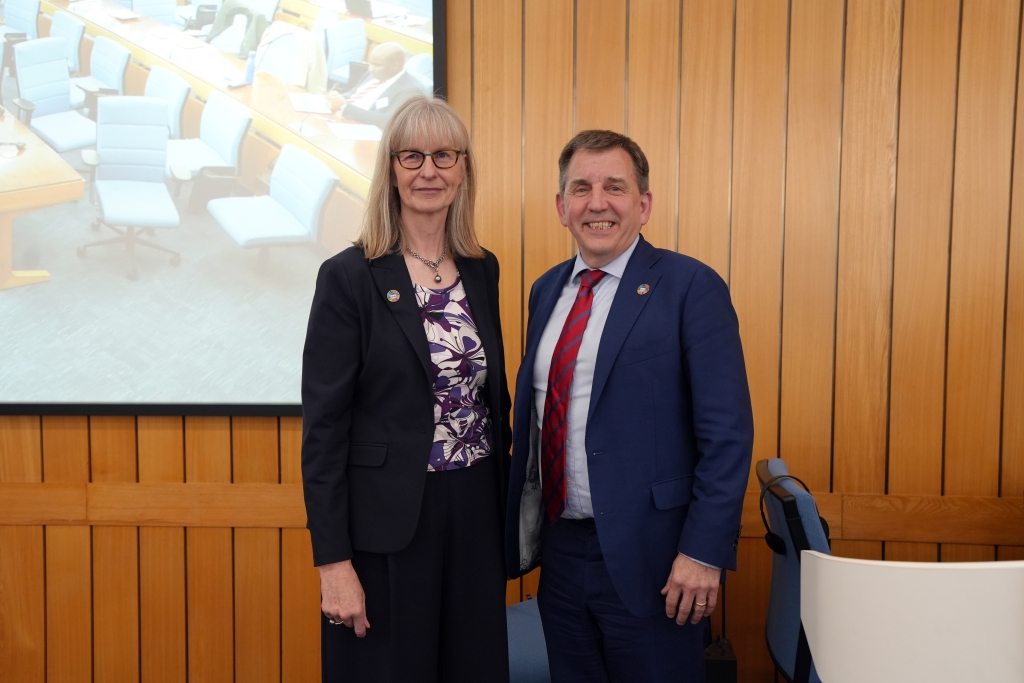
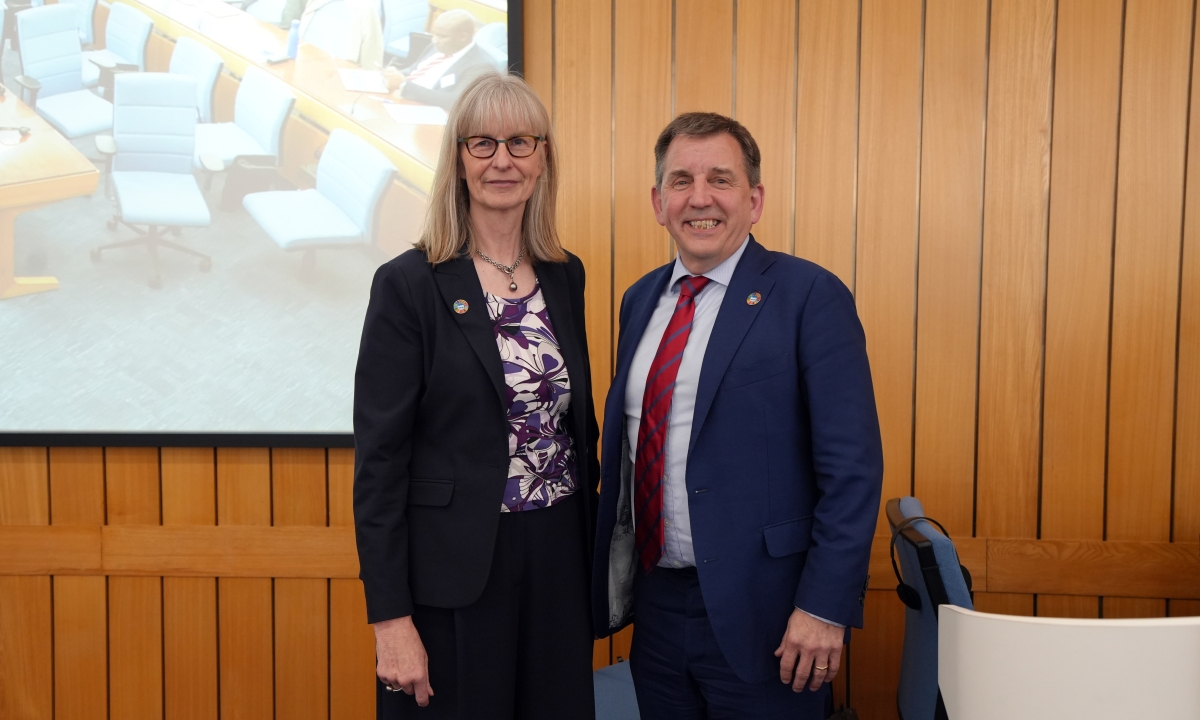
Ian Aitchison presented at the IMO Technical Seminar on Methane-Based Fuels on 12 May 2026, alongside Dr Alexandra Ebbinghaus, General Manager for Decarbonisation at Shell Marine. This blog draws on that presentation and reflects SEA-LNG’s perspective on the methane decarbonisation pathway. The presentation can be viewed here.
The story of LNG as a marine fuel is one of deliberate hard-won progress. Built over two decades through industry collaboration, pragmatism, and step-by-step regulatory progress, it is a story with lessons that are more relevant now than ever: not just for LNG, but for every fuel seeking to follow the same path.
In the early 2000s, our focus was SOx, NOx, and particulate matter. LNG did the job: roughly 99% fewer sulphur oxide emissions, up to 95% less nitrogen oxides, and significantly lower particulates versus heavy fuel oil.
But LNG was never just a one-trick pony, and it was never designed to be a final destination. It is a fuel that has continued to evolve as the regulatory and commercial landscape has evolved around it. And, as our focus shifts towards well-to-wake greenhouse gas (GHG) emissions, the fuel is showing remarkable flexibility. The infrastructure built for LNG now provides the foundation for liquefied biomethane (LBM/bio-LNG) and e-methane as the next steps on the methane decarbonisation pathway. A clear runway to the future.
Let’s be honest – introducing any new maritime fuel at scale is one of the hardest challenges in energy transition. Despite LNG’s status as a global commodity – traded safely for over 60 years in a market larger than the entire shipping fuel sector – marine adoption faced a classic chicken-and-egg dilemma.
Industry wouldn’t commit without a guaranteed fuel supply that was cost-effective. Suppliers scratched their heads without a guaranteed customer base. Both faced 20-to-30-year asset lives and significant capital exposure. This wasn’t an easy issue to solve.
This is precisely why SEA-LNG was formed in 2016. By convening first-movers across the full value chain – fuel suppliers, engine manufacturers, terminal operators, shipowners and classification societies – it created the forum to break that deadlock. Structured dialogue amongst trusted professional pioneers, long-term offtake agreements, and coordinated risk-taking offered shipping a new model for collective action. That same model is now being applied to the next steps for the pathway.
A critical lesson from LNG’s development is that scaling a new fuel is fundamentally about build-out – matching infrastructure investment to proven demand, not the other way round. Getting LNG from import terminals to a ship’s bunker flange requires choices. Whether truck-to-ship, shore-to-ship pipeline, or dedicated bunker vessels, each has different cost and scalability profiles. We’re rightly looking to solutions that balance capital, operability, and space to learn, which started with truck-to-ship.
This example reflects what we’ve always known in shipping: match investment to demand. By the time dedicated bunker vessels were standardising ship-to-ship transfer across ferries, cruise ships, ROROs and container vessels, a thriving value chain already underpinned it.
Early LNG bunkering operations were project-specific and case-by-case. By 2015, ISO guidelines were enabling easier replication across ports. Today, LNG bunkering is possible across over 200 ports. How? That doesn’t happen by accident. It requires internationally recognised standards, governed procedures and certified systems across the whole value chain – precisely what ISO 18683, ISO 20519 and the broader IMO and class framework have delivered.
What stands out most clearly is this: regulation didn’t just respond to change in shipping’s energy mix – it helped drive it. And that took time. Time that any fuel seeking to follow the methane decarbonisation pathway’s example must respect and plan for.
LNG grew through a positive cycle. Each successful bunkering built confidence for the next one. Every new LNG vessel encouraged more investment in infrastructure, and each new piece of infrastructure made it easier to decide on the next vessel. Clear standards lowered uncertainty, which attracted financing, and ongoing learning led to better regulations.
Since SEA-LNG was founded in 2016, LNG has gone from a niche solution to a mainstream marine fuel -available at over 200 ports, backed by a growing duel-fuel fleet, and underpinned by a decade of safety and regulatory development. Biomethane is now bunkered regularly, and the infrastructure is ready for e-methane when production scales. The methane decarbonisation pathway is not a theory or a hope. It is a clear runway to 2050 and beyond – and is already in use.